Quick Answer
Qualifying for a vacation home mortgage in Florida usually requires good credit, stable income, enough savings for a down payment and reserves, and a property that meets second home guidelines. Many buyers can qualify with as little as 10% down, although requirements vary based on credit, debt, and the type of vacation property you’re buying.
Top 3 Take-a-Ways
- Vacation homes must meet second home occupancy requirements
- HOA and rental restrictions can affect financing eligibility
- Planning for insurance, reserves, and closing costs prevents surprises
I’ll never forget helping a family who had rented the same Florida beach condo every winter for years. At one point, they told me they had started adding up what they were spending on vacation rentals and realized they could’ve been building equity in a place of their own. After reviewing their finances and walking through their options together, they bought a second home that eventually became the place where their kids and grandkids gather every winter.
Conversations like that have become increasingly common.
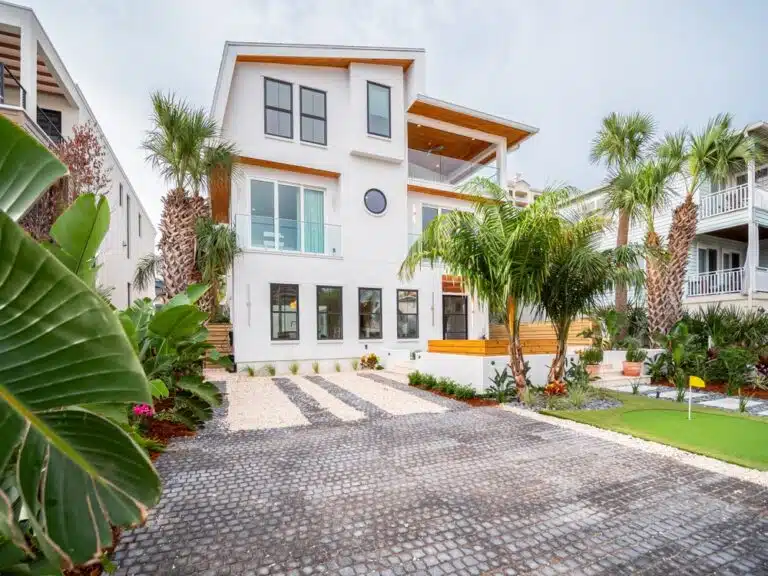
Many people today aren’t only vacationing in Florida. They’re looking at buying a second home they can personally enjoy while building long term value at the same time. A vacation home mortgage in Florida gives buyers the opportunity to create a personal getaway while also owning property in one of the country’s most popular housing markets.
Florida continues attracting second home buyers because of its weather, beaches, retirement appeal, and lack of state income tax. Continued population growth across Florida has also helped support housing demand across many Florida communities.
People pursue a vacation home mortgage in Florida for many different reasons:
- Escaping colder winters
- Creating a future retirement home
- Having a family gathering place
- Spending time near beaches or golf communities
- Enjoying a second home during holidays and school breaks
For many buyers, it eventually becomes a financial decision. If you’re returning to Florida several times each year, buying may start making more sense than repeatedly paying for hotels or short term rentals.
That said, qualifying for a vacation home mortgage in Florida can look a little different than financing your primary home. Since the property won’t be your main residence, mortgage guidelines are often slightly stricter. The good news is that many buyers qualify successfully once they understand what mortgage companies are looking for and prepare in advance.
What Counts As A Vacation Home In Florida?
Before applying for a vacation home mortgage in Florida, it’s important to understand what officially qualifies as a vacation property.
In most cases, a vacation home is considered a second property that you personally occupy for part of the year. It’s different from both a primary residence and a property purchased mainly for rental income.
Here’s a quick breakdown:
- Primary residence: The home where you live most of the year.
- Vacation home or second home: A property you personally use for vacations, seasonal living, or occasional stays.
- Investment property: A home purchased mainly to generate rental income.
Why does this matter?
Because financing guidelines, down payment expectations, and qualification requirements can change depending on how the property will be used.
For example, if you’re buying a condo in Naples where you plan to spend winters each year, that may qualify for a vacation home mortgage in Florida. If the property will mainly operate as an Airbnb or short term rental with little personal use, it may fall under different financing guidelines.
In many cases, the vacation property also needs to be located a reasonable distance from your primary home. Mortgage companies generally want the property to make practical sense as a second residence.
Common types of vacation properties include:
- Beachfront condos
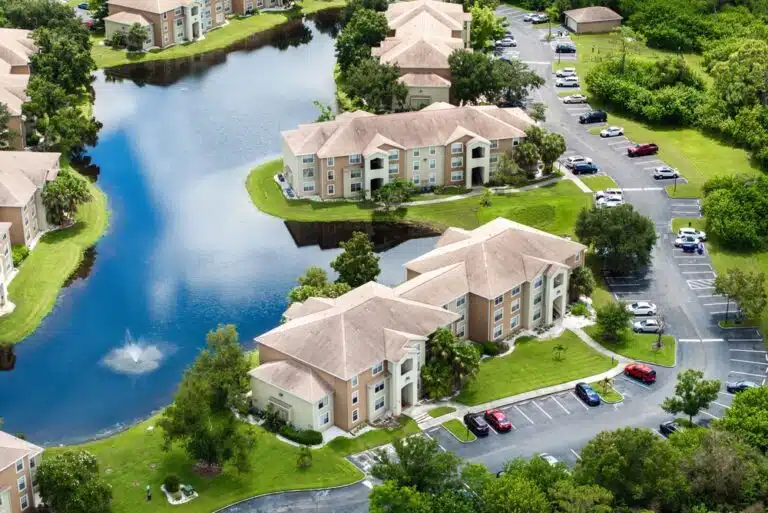
- Waterfront homes
- Golf community properties
- Seasonal retirement homes
- Vacation homes near Orlando attractions
Many buyers start by comparing financing options for a second home mortgage before deciding what makes the most sense.
Another thing buyers sometimes overlook is community rules. Some condo buildings and homeowner associations restrict short term rentals or limit occupancy schedules. If you think you may occasionally rent the home when you’re not using it, it’s smart to review those rules before making an offer.
What Credit Score Do You Need For A Vacation Home Mortgage In Florida?
Credit score plays a major role when qualifying for a vacation home mortgage in Florida.
In general, stronger credit can create access to better financing options and lower monthly payments. Based on current conventional mortgage eligibility guidelines, many conventional programs still commonly begin around a 620 credit score, although stronger financing options are often available for buyers with higher scores.
Higher credit scores may help with:
- Better financing flexibility
- Lower monthly payments
- More competitive rates
- Stronger approval odds
- Lower reserve requirements in some situations
Mortgage companies also review your debt to income ratio, which compares your monthly debt obligations to your income.
Existing expenses like these may affect how much home you qualify for:
- Your current mortgage payment
- Car loans
- Student loans
- Credit card balances
- Personal loans
Savings matter too.
In many situations, buyers applying for a vacation home mortgage in Florida may need reserve funds left after closing. This helps show financial stability and demonstrates that carrying a second property is manageable.
Many buyers prefer to compare payment scenarios before seriously shopping so they know what feels comfortable financially. We recommend exploring different possibilities early so there are fewer surprises later. You can compare monthly payment scenarios using our mortgage calculator.
How Much Down Payment Do You Need For A Vacation Home Mortgage In Florida?
One of the biggest questions buyers ask me is how much money they need to put down.
The answer depends on several factors, including your credit profile, the type of property, and the mortgage program that fits your situation. In many cases, buyers qualifying for a vacation home mortgage in Florida may be able to purchase with less money down than they expect.
For buyers with strong credit and solid financials, some conventional second home programs allow down payments starting as low as 10%, although many buyers choose to put down more to reduce monthly payments and improve financing terms. Current conventional second home financing guidelines continue to allow financing options for qualifying second homes in 2026.
That said, there are situations where putting additional money down can work in your favor.
Every buyer’s situation is different. For example, someone buying a $450,000 condo in Naples may structure things very differently than someone buying a $1,200,000 waterfront home in Palm Beach.
I often tell buyers not to assume they need 20% down before having a conversation. In many cases, people qualify with less than they originally expected.
If you’re still comparing options, understanding how a second home mortgage in Florida works can give you a better idea of what financing structures may fit your goals.
One thing buyers sometimes overlook is cash reserves.
Even after your down payment and closing costs, mortgage companies may want to see that you still have funds remaining in savings or investment accounts. Since a vacation property is considered a second residence, reserve requirements can sometimes be higher than they are for a primary home.
The strongest approvals often happen when buyers plan ahead and organize finances early.
Can You Use Rental Income To Qualify?
This is one area where buyers sometimes get confused.
Many people assume they can buy a vacation home mortgage in Florida and simply count future Airbnb income to help qualify. Sometimes that works, but many times it depends on how the property will actually be classified.
If the property is truly being financed as a vacation home, personal occupancy is expected. That means the home is generally intended for your own use during part of the year.
If the property will mainly be rented to generate income, mortgage companies may classify it differently.
Why does that matter?
Because qualification guidelines can change depending on occupancy type.
For example:
A beach condo that you personally use throughout the year while occasionally renting may still fit second home guidelines in some situations.
A property that primarily operates as a short term rental business may fall into investment property financing instead.
This becomes especially important in Florida where many vacation destinations encourage short term rentals.
Cities and communities often have different rules regarding:
- Airbnb restrictions
- Minimum rental periods
- Occupancy rules
- HOA rental limitations
- Condo association requirements
Before purchasing, it’s smart to review local restrictions carefully.
Buyers are often surprised to learn that some beachfront condos have strict rental limitations that affect how often properties can be rented or who can occupy them.
The safest approach is usually understanding exactly how you plan to use the property before applying for a vacation home mortgage in Florida.
That helps avoid surprises later in the approval process.
Another helpful step is getting pre approved early. Many buyers feel much more confident shopping once they understand their numbers upfront.
What Documents Will You Need To Apply?
Getting approved for a vacation home mortgage in Florida becomes much easier when paperwork is organized early.
In most cases, buyers will need many of the same documents required for a primary residence, along with proof that carrying a second property comfortably fits their financial picture.
Common documentation often includes:
- Recent pay stubs
- W2s or tax returns
- Bank statements
- Retirement account statements
- Proof of assets
- Identification documents
For self employed buyers, additional documentation may be needed.
That could include:
- Business tax returns
- Profit and loss statements
- Year to date income records
Mortgage companies also carefully review income consistency and overall financial stability. Since you’re financing a second home, showing strong financial organization can make a meaningful difference.
Many buyers find the process moves much faster when they prepare documents before actively shopping.
I also recommend getting clarity on your buying budget before falling in love with a property. Learning how to get mortgage pre approval in Florida before shopping for a home can help make the process feel much smoother from the beginning.
If you’d like to see what options may fit your situation, we invite you to complete paperwork securely through our Application portal.
What Costs Should Buyers Plan For?
Many buyers focus mainly on the purchase price when planning for a vacation home mortgage in Florida. But monthly ownership costs matter too.
Florida can be an amazing place to own a second home, although buyers should understand the full financial picture before purchasing.
Beyond your mortgage payment, some of the most common ownership costs include:
- Property taxes
- Homeowners insurance
- Flood insurance in some areas
- HOA or condo fees
- Maintenance and repairs
- Utilities and seasonal upkeep
Insurance deserves extra attention in Florida.
Depending on where the property is located, insurance costs can vary dramatically. Waterfront homes, coastal condos, and properties in storm prone areas may carry higher premiums. According to recent Florida homeowners insurance market data, insurance costs have remained one of the biggest budget considerations for Florida homebuyers in 2026.
Buyers are often surprised to learn that HOA fees can also vary significantly.
For example, a golf community condo may include amenities like:
- Pools
- Security
- Lawn care
- Clubhouse access
- Fitness centers
Those benefits can be appealing, but they also add to monthly ownership costs.
Closing costs are another expense buyers should prepare for.
Depending on the property and financing structure, closing costs may include:
- Title fees
- Appraisal fees
- Recording costs
- Insurance setup costs
- Escrow funding
Many buyers find it helpful to better understand mortgage closing costs in Florida before making an offer so there are fewer surprises later.
When evaluating a vacation home mortgage in Florida, I always encourage buyers to think beyond the monthly payment alone. A comfortable budget often leads to a much better ownership experience.
Common Mistakes That Can Hurt Your Approval
I’ve seen buyers accidentally make the process harder than it needs to be.
Most approval issues can often be avoided with a little planning.
Here are some of the biggest mistakes buyers make when applying for a vacation home mortgage in Florida:
1. Taking On New Debt Before Closing
Buying a new car, opening credit cards, or financing furniture before closing can affect your approval.
Even a new monthly payment can change debt to income calculations.
2. Waiting Too Long To Get Pre Approved
Some buyers shop for months before speaking with a mortgage professional.
That can create problems if financing expectations don’t match reality. Getting pre approved early often creates a much smoother buying process.
3. Moving Large Amounts Of Money Without Documentation
Large unexplained deposits can raise questions during underwriting.
Keeping financial records organized helps avoid delays.
4. Misunderstanding Occupancy Rules
Trying to structure an investment property as a vacation home can sometimes create qualification issues.
Being upfront about how you plan to use the property helps avoid surprises later.
5. Shopping Above A Comfortable Budget
Just because you qualify for a certain amount doesn’t always mean it fits comfortably into your lifestyle.
The strongest long term decisions usually happen when buyers choose a payment that still feels manageable during changing market conditions.
If you’re unsure what payment range feels comfortable, we can help you compare scenarios and provide a personalized quote.
FAQ’s
Can I Buy A Vacation Home In Florida With Less Than 20% Down?
Yes, in some cases buyers may qualify with less than 20% down depending on credit, reserves, property type, and financing guidelines. Many people are surprised to learn they may qualify with less money upfront than expected.
Does A Vacation Home Mortgage In Florida Have Higher Rates?
Sometimes rates for a vacation home mortgage in Florida can be slightly different than rates for a primary residence because the property is considered a second home. Your credit profile and overall financial picture also play a role.
Can I Rent Out My Vacation Home Part Time?
Possibly. Some vacation homes allow occasional rentals, but restrictions vary by financing guidelines, HOA rules, and local regulations. It’s important to understand how the property will be used before applying.
Do Condos Qualify For A Vacation Home Mortgage In Florida?
Yes, many condos qualify. However, the condo association, occupancy rules, and financial condition of the building may affect financing eligibility.
How Long Does Approval Usually Take?
Every situation is different, but many mortgage approvals move much faster when buyers prepare financial documents early and complete pre approval before shopping.
Why Work With A Mortgage Team That Understands Florida Vacation Homes?
At The Doce Mortgage Group, we understand that buying a second home is different from financing your primary residence.
We’re proud that The Doce Mortgage Group was recently recognized by WalletHub as one of the best mortgage brokers in several Florida cities. While many great companies were recognized, we’re honored to be considered one of the trusted mortgage teams buyers continue turning to throughout the state.
We also encourage buyers to read through our customer reviews to hear directly from people we’ve helped throughout the mortgage process.
If you’re considering a vacation home mortgage in Florida, we’d love the opportunity to help you compare options and understand what may fit your financial goals. When you’re ready, you can Get Started Now, or connect with a loan officer live at 305-661-3434.
Benefits of a Larger Down Payment
- Lower your monthly mortgage payment
- Reduce overall borrowing costs
- Improve financing flexibility
- Strengthen approval options
- Lower reserve requirements in some situations